
English Article
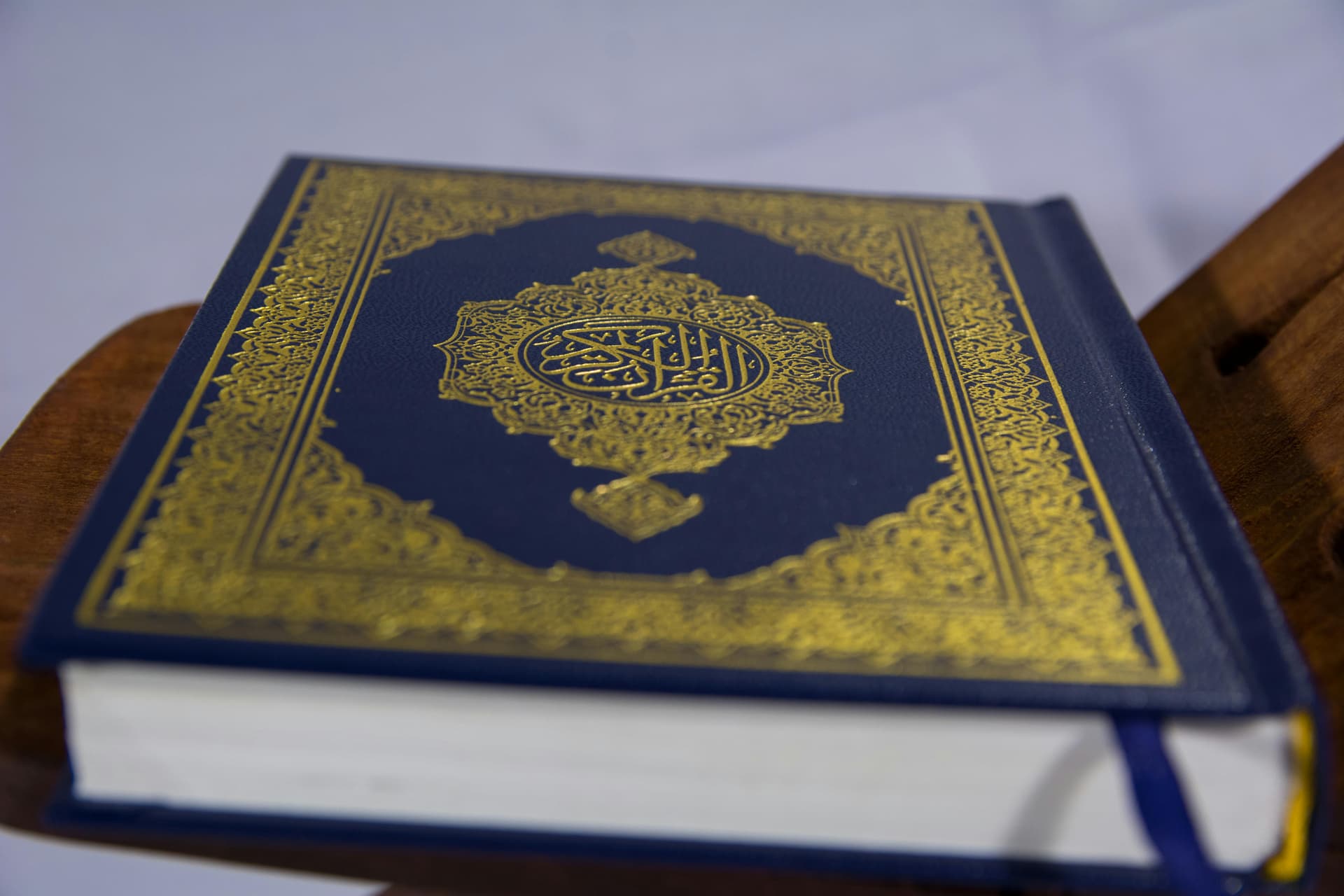
Islam, as a complete way of life, is built upon five fundamental pillars. These pillars are the obligatory acts of worship that are incumbent upon every Muslim. They are not mere rituals, but an integrated framework that shapes a Muslim’s spiritual, ethical, social, and personal life. By adhering to these pillars, a Muslim perfects their submission to God, strengthens their faith, and contributes to building a just and compassionate society. These five pillars are the bedrock of a Muslim's existence, guiding them from the declaration of faith to the ultimate pilgrimage, encompassing their relationship with God and their responsibility towards His creation.
1. The Shahada (The Declaration of Faith)
The Shahada is the first and most crucial pillar of Islam. It is the verbal and heartfelt testimony that "There is no deity worthy of worship except Allah, and Muhammad is the Messenger of Allah" (Lā ilāha illallāh, Muḥammadur rasūlullāh). This simple yet profound statement is the very foundation of Islamic belief and is comprised of two parts:
- Tawhid (Oneness of God): "La ilaha illallah" declares the absolute oneness of God. It signifies that He is the sole Creator, Sustainer, and Law-giver of the universe. He alone is deserving of worship, prayer, and reliance. This belief liberates a Muslim from all forms of false deities, superstitions, and polytheistic practices (shirk). It instills a direct and personal relationship with the Creator, free from any intermediaries.
- Risalah (Acceptance of Prophethood): "Muhammadur rasulullah" is the affirmation of Prophet Muhammad (peace be upon him) as the final and seal of all prophets. It implies that his path and example are the ultimate guidance chosen by God for humanity, and that obedience to him is synonymous with obedience to God. It validates the entire line of prophets before him, including Abraham, Moses, and Jesus, peace be upon them all.
By uttering the Shahada with sincere conviction, a person enters the fold of Islam. It is more than a verbal proclamation; it is a covenant that orients one's entire life towards seeking the pleasure of Allah. It becomes the lens through which a Muslim views the world, their purpose, and their ultimate destination. Every subsequent act of worship is an extension and manifestation of this fundamental belief.
2. Salat (The Ritual Prayer)
Salat is the second pillar of Islam and the most important physical act of worship. It is a set of ritual prayers performed five times a day at prescribed times: Fajr (dawn), Dhuhr (midday), Asr (afternoon), Maghrib (sunset), and Isha (night). During prayer, Muslims all over the world face the Kaaba in Makkah, a symbol of unity and discipline.
"Indeed, I am Allah. There is no deity except Me, so worship Me and establish prayer for My remembrance." (Quran, 20:14)
Salat is a direct and intimate conversation between the worshipper and their Lord. It provides a daily opportunity to stand before God, express gratitude, seek forgiveness, and ask for guidance. It is a spiritual anchor in a Muslim's day, pulling them away from worldly distractions and recentering their focus on their ultimate purpose. The physical movements of standing, bowing, prostrating, and sitting, combined with the recitation of Quranic verses, create a holistic act of worship for the body, mind, and soul. Furthermore, Salat has a profound moral dimension, as the Quran states it prevents believers from shameful and unjust deeds, thereby refining their character.
3. Zakat (Obligatory Charity)
Zakat, the third pillar, is a financial act of worship. The word 'Zakat' literally means 'purification' and 'growth'. In Islamic law, it is the mandatory giving of a specific portion of one's wealth (typically 2.5% of annual savings) to the poor and needy, and to other specified categories. It is obligatory on every Muslim who possesses wealth above a certain minimum threshold known as the 'nisab' for a full lunar year.
The primary purpose of Zakat is to purify one's wealth, reduce economic disparity in society, and awaken a sense of responsibility in the wealthy towards the poor. It strengthens the bonds of cooperation and brotherhood in the Muslim community. By giving Zakat, a Muslim purifies their heart from diseases like greed and miserliness and expresses gratitude to Allah, acknowledging that all wealth is ultimately a trust from Him. It is not a favor to the poor, but their established right. This system functions as a divine social security net, ensuring that the basic needs of the most vulnerable members of society are met.
4. Sawm (Fasting in Ramadan)
Fasting during the holy month of Ramadan, the ninth month of the Islamic lunar calendar, is the fourth pillar of Islam. 'Sawm' (fasting) involves abstaining from food, drink, marital relations, and all evil deeds from dawn until sunset.
"O you who have believed, decreed upon you is fasting as it was decreed upon those before you that you may become righteous." (Quran, 2:183)
Fasting is not merely a physical exercise; it is a profound spiritual training. Through it, a Muslim achieves 'Taqwa' or God-consciousness. Fasting teaches self-control, patience, and empathy. By feeling the pangs of hunger and thirst, a fasting person can better understand the suffering of the poor and hungry, inspiring them to be more generous and compassionate. The month of Ramadan is also the month in which the Quran was first revealed, so Muslims particularly strive to increase their worship, recitation of the Quran, and closeness to Allah during this time. It is a month of immense blessings, forgiveness, and spiritual rejuvenation.
5. Hajj (The Pilgrimage to Makkah)
The Hajj is the fifth and final pillar of Islam. It is the pilgrimage to the holy city of Makkah, which every physically and financially able Muslim is required to perform at least once in their lifetime. It is held in specific days of Dhul Hijjah, the twelfth month of the Islamic calendar.
The Hajj brings together millions of Muslims from all corners of the globe, stripping away all distinctions of race, tribe, language, or social status. All pilgrims wear the same simple white garments (Ihram) and stand equal before God, sending a powerful message of universal brotherhood and unity. The various rituals of Hajj—such as circumambulating the Kaaba (Tawaf), walking between the hills of Safa and Marwa (Sa'i), standing on the plain of Arafat, and the symbolic stoning of the devil—commemorate the trials and sacrifices of Prophet Ibrahim (Abraham) and his family, teaching the worshipper about unconditional submission to God's will. It is a deeply spiritual journey that, if performed with sincerity, is said to wipe away all previous sins, returning the pilgrim to a state of purity like a newborn.
Conclusion
These five pillars of Islam are not separate rituals but are deeply interconnected, forming a comprehensive framework to guide a Muslim's life on the path prescribed by God. The Shahada declares the faith, Salat translates that faith into action, Zakat provides economic security to the community, Sawm purifies the soul, and Hajj embodies the unity of the Muslim Ummah. By adhering to these pillars correctly, a Muslim can achieve true success and peace in this life and the Hereafter.